
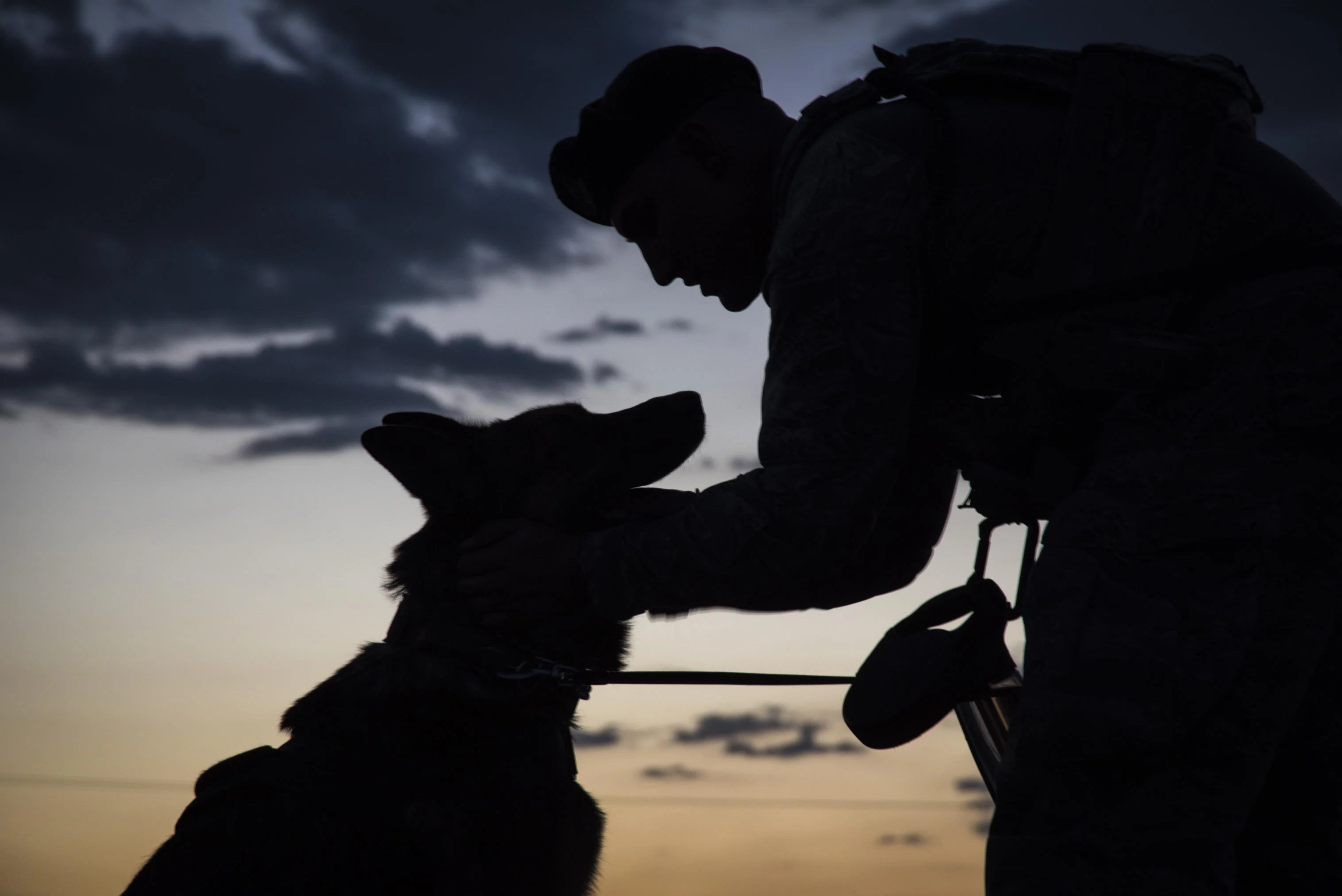
Training works best when the dog understands the task and can comfortably take part.
- Expecting too much too soon. Begin with manageable skills; older dogs can learn too.
- Repeating a cue without helping. Check attention and understanding, then make the setup easier.
- Making practice too difficult. Use short sessions and add distractions gradually.
- Trying to correct fear. Give the dog distance and a break. Persistent fear deserves suitable professional help, rather than punishment or forced exposure.
- Using punishment. Reward desired behavior and manage opportunities to practice unwanted behavior.
Adapt the plan to the individual dog. Training is not a guarantee of perfect behavior, and progress does not follow one required schedule.