
Start with the dog’s comfort, the handler’s needs and the equipment’s intended use. You do not need every item on a gear list.
Collars, harnesses and leashes
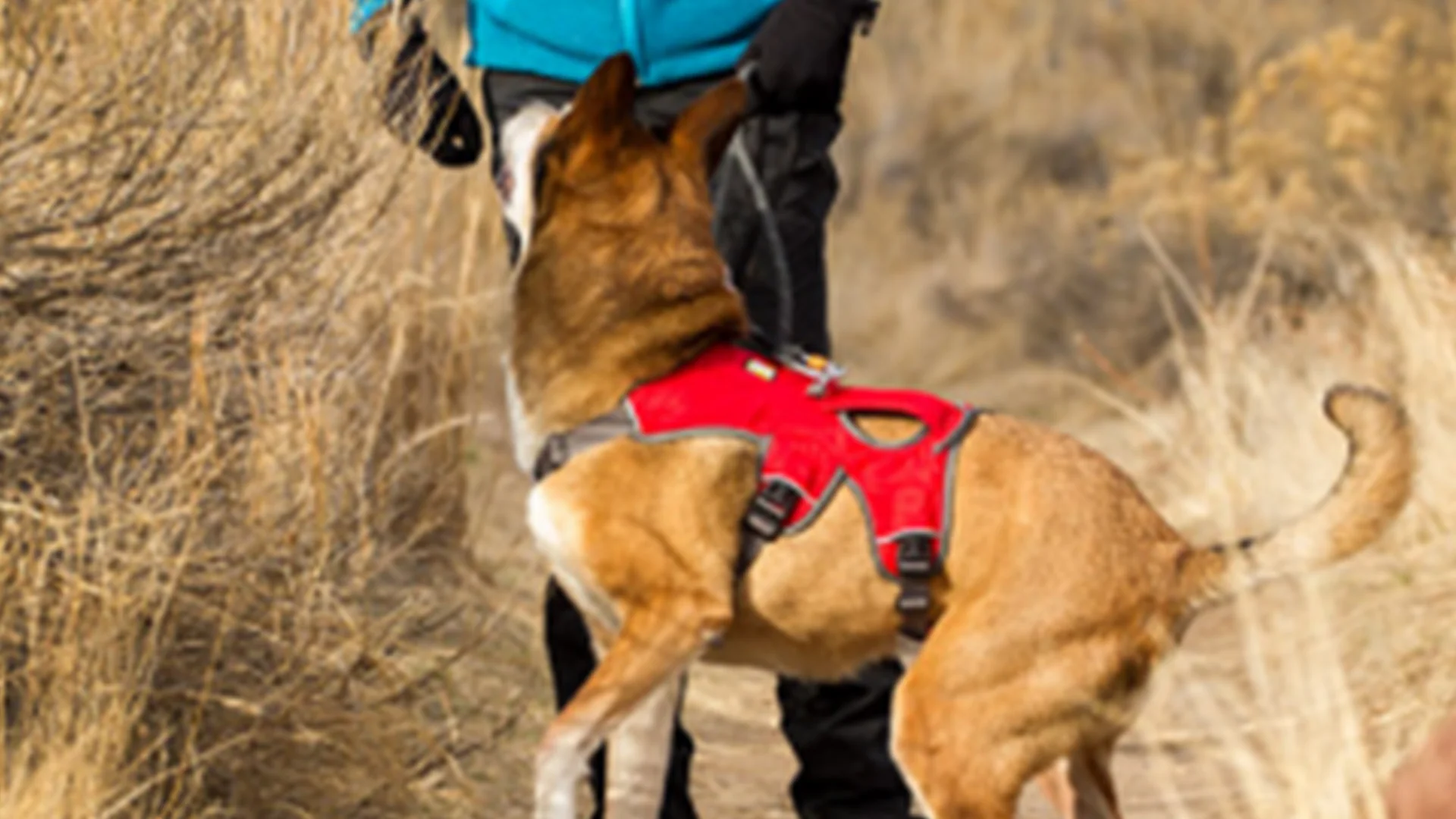
Check fit, movement, secure attachments and wear. Follow the maker’s instructions and introduce unfamiliar equipment gradually. A head collar needs careful conditioning and handling; it is not a shortcut for forcing attention.
Use reward-based training rather than pinch, choke or remote collars. Gear cannot make unsafe weight-bearing or pulling work appropriate. Vehicle restraint claims should be checked against actual model-specific test results.
Identification
Current contact tags and a registered microchip can help a lost dog return home. Consider snag risks in the dog’s environment. Under the ADA, a vest or service-dog ID is not required and does not establish qualification.
Muzzles
Positive muzzle conditioning can be useful for some veterinary or emergency situations. Seek fit advice and choose a design that allows appropriate panting and other needs for its intended use. A muzzle does not make a distressed dog safe to expose to every situation. Restrictive fabric designs are not everyday exercise equipment.
Weather and routine care
Coats and boots may help in particular conditions. Check fit and movement, keep sessions gradual and inspect for rubbing. Protective gear does not remove heat, cold or surface hazards.
Use grooming products intended for the relevant area and follow their instructions; a general wipe is not necessarily safe in eyes or ears. A resting mat, bowls, cleanup supplies and suitable toys can support daily care.
Brand popularity and an old AP recommendation do not establish current safety, fit, price or availability. Reassess equipment as the team changes.